Castro guides · Chiloé
Eating in a stilt house (palafito) in Castro
Houses on stilts are Castro’s best-known image. This guide explains what palafitos are, why they matter to the city and what it is like to sit down for a meal in one, over the water, facing the bay.
What palafitos are
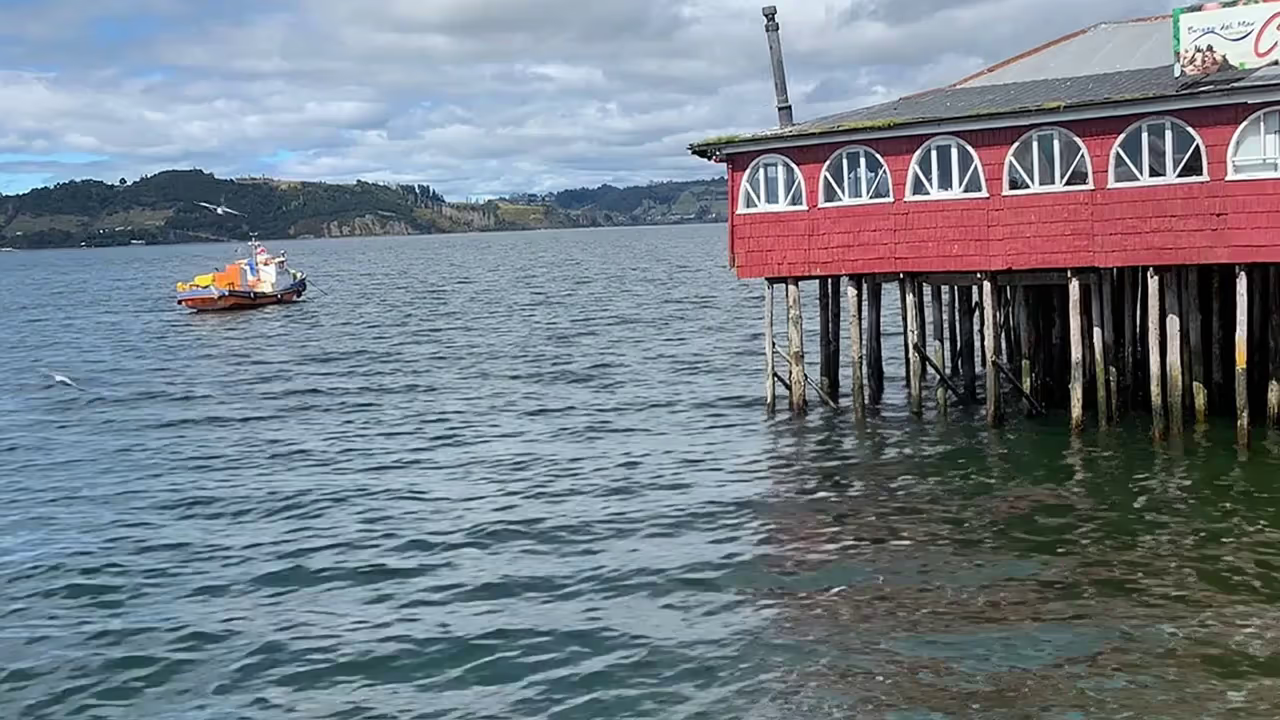
A palafito is a house raised on wooden piles driven into the shore. In Castro they were built with the front facing the street and the back over the sea, so residents had the city on one side and the water on the other. At high tide the water reaches under the floor; at low tide the mud and the piles are exposed. In Chiloé the difference between the two can be several meters, so the scenery under a palafito changes throughout the day.
High tide

Low tide

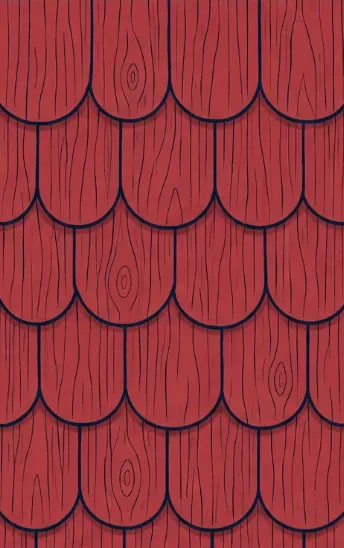
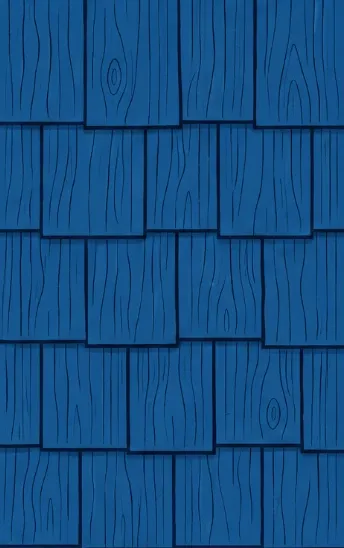
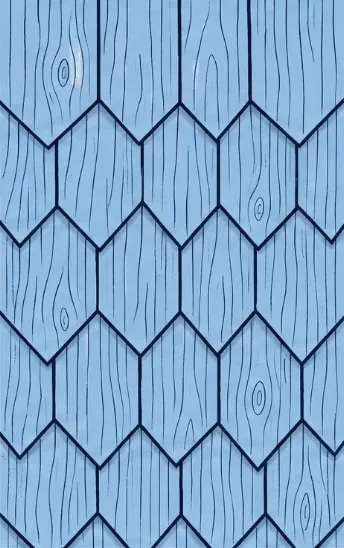
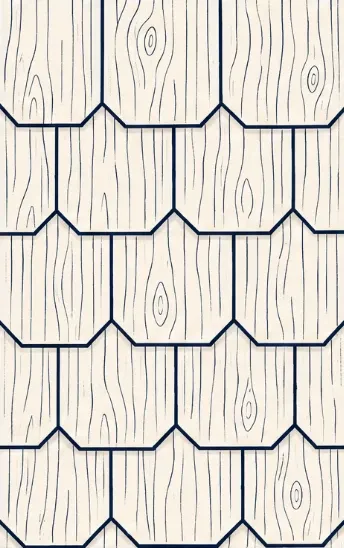
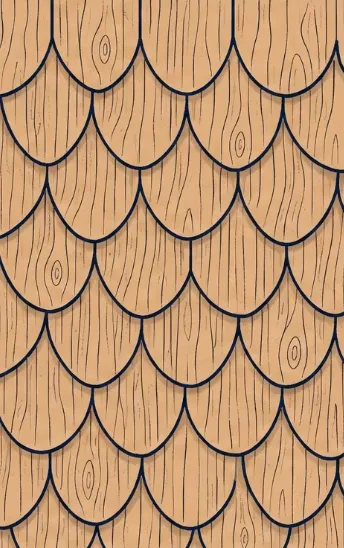
They are built from native wood and designed for the southern climate: piles that resist salt water, light structures and walls covered in tejuelas, wooden shingles that overlap like fish scales. The shingles are cut in different shapes and painted in strong colors, which gives Castro its waterfront of reds, yellows, blues and greens.


A history tied to the sea
Palafitos multiplied in Castro between the late 19th century and the first half of the 20th century. In those years the city lived from timber, fishing and trade by sea, and many families from the countryside and nearby islands settled along the shore. Building over the water was a way to live close to work, with a boat tied up out back.
At one point they covered much of the city’s shoreline. The 1960 earthquake and tsunami destroyed many of them, and several areas were cleared afterwards. Those that remain have survived time, the sea and the changes in the city. In recent decades many have been restored as homes, guesthouses, cafés and restaurants.
Why they are part of Castro’s heritage
Palafitos, together with the wooden churches, are the most recognizable image of Chiloé. They show a way of living that is unique to the island: living with your eyes on the sea, building with timber from the forest and solving with carpentry skills what other cities would solve with concrete.
That wooden tradition is the same one that gave rise to the Chilote churches. The Church of San Francisco in Castro, on the main square (Plaza de Armas), is one of the Churches of Chiloé listed as a UNESCO World Heritage Site. Visiting the church and the palafitos on the same day is a good way to understand the city.
The most photographed areas are the palafitos of Gamboa and Pedro Montt. From the viewpoints and the waterfront promenade you can see the colorful façades reflected in the water.
Eating over the water

Brisas del Mar is in a stilt house at Feria Campesina Lillo, local 23, with red shingled walls, white arched windows and Castro Bay on the other side of the glass. Inside you feel the rhythm of the water: boats go by, the tide moves and the light changes over the hills across the bay. When it is cold, the fireplace warming the dining room is part of the experience.
The food matches the view: curanto, broths, crab chupe, oysters and fish from the south. If you want to know what to order, read the guide to Chiloé’s traditional food or curanto in Castro.
Tips for your visit
- Ask for a table by the window. It is the reason to eat in a stilt house.
- Watch the tide. The view is not the same at high and low water; if you can, take a look at the piles before you go in.
- Come with time to spare. The stilt house is open Monday to Saturday from 10:00 to 19:30 and Sunday from 11:00 to 19:30.
- If you are a large party, let us know. Groups, delegations and cruise passengers should request a quote in advance.
The general range at the Puerto location is CLP 10,000 to 15,000 (Chilean pesos) per person. If you prefer somewhere right downtown, we are also at San Martín 626 (Centro location).
Frequently asked questions
What is a palafito?
A palafito is a house built on wooden piles driven into the shore, so that part of it stands over the water. In Castro the front faces the street and the back looks out to sea.
Where are the palafitos in Castro?
There are palafitos in several parts of the city’s waterfront. The most photographed are in Gamboa and Pedro Montt. Brisas del Mar is in a stilt house at Feria Campesina Lillo, local 23, by the bay.
Can you eat inside a palafito?
Yes. Several of Castro’s palafitos now house restaurants, cafés and guesthouses. At Brisas del Mar the dining room is inside the stilt house, with arched windows facing the bay.
When is the best time to go?
The stilt house is open Monday to Saturday from 10:00 to 19:30 and Sunday from 11:00 to 19:30. If you want a table by the window, come with time to spare or, if you are a large party, let us know in advance.
Are the palafitos part of Chiloé’s heritage?
They are one of the symbols of Castro and of Chiloé’s wooden architecture, together with the island’s churches. The Church of San Francisco in Castro is one of the Churches of Chiloé listed as a UNESCO World Heritage Site.